





Abnormal sound detection system, abnormal noise inspection, production line acoustic quality test, component abnormal sound screening, product noise test
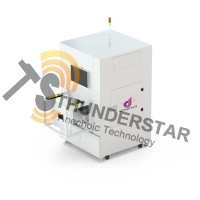
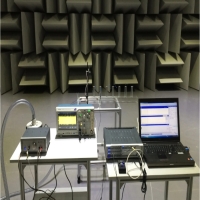
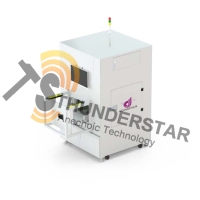
Modern manufacturing sectors including consumer electronics, home appliances, automotive components, motors and precision transmission parts face common challenges in quality control. Abnormal noise inside products is often hard to identify reliably by human listening alone. Ambient noise, listening fatigue and subjective judgement may cause unstable results, especially for weak or intermittent abnormal sounds. The abnormal sound detection system collects acoustic signals during product operation, and distinguishes normal operating sound from abnormal noise through signal analysis. It helps engineers trace the source of abnormal sounds and supports batch screening of products on production lines.
A home appliance manufacturer in China deployed this system at end-of-line inspection stations for air conditioner compressors and indoor fan units. Previously, quality inspection relied on experienced workers listening manually, which could lead to inconsistent judgement after long shifts. After introducing the system, acoustic signals are continuously captured during unit operation. It helps identify products with abnormal sounds caused by uneven assembly gaps and slight blade scraping, assisting the factory to sort out units with potential risks and stabilise the inspection workflow. An automotive component supplier applied the system in durability laboratories for seat rails, door lock assemblies and sunroof actuators. After thousands of operation cycles, some units develop intermittent squeaking noise, which is difficult for inspectors to track continuously. The abnormal sound detection system records acoustic data nonstop and captures noise features that only appear in later durability cycles. Engineers refer to these records to adjust component tolerances and lubrication strategies for structural optimisation. A micro-motor manufacturer also adopts the system for R&D validation of small reduction motors. By comparing sound fingerprints under different bearing selections and assembly processes, teams can identify root causes of abnormal noise and gather supporting data before mass production. The system supports flexible configuration of acquisition hardware to fit both laboratory R&D tests and inline production inspection. It generates traceable acoustic records for technical teams to store and compare, lowering uncertainty caused by manual subjective assessment and supporting continuous product quality improvement.
Leave your reply
Your email address will not be published. Required fields are marked *