





Airborne Sound Insulation Test Chamber: Establish Standard Test Conditions for Building Element Sound—insulation Performance
As building quality requirements keep rising, sound insulation performance has become a vital evaluation factor for residential buildings, hotels, office premises and public venues. The airborne sound insulation capability of building components such as doors, windows, wall panels and curtain—wall units largely determines indoor acoustic comfort after project hand—over, and serves as an essential reference for project acceptance and green—building certification across Southeast Asia. Relying purely for on—site measurement often brings obvious limitations. Traffic noise, operating machinery and ambient vibration will interfere with measured results. Working conditions are hardly repeatable, which makes side—by—side comparison among different product batches difficult. Manufacturers and engineering teams may face costly rework if poor sound—insulation performance is found after construction completion.
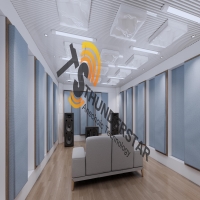
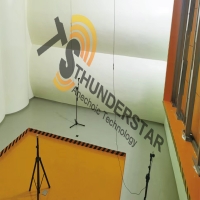
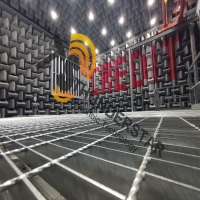
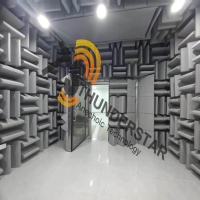
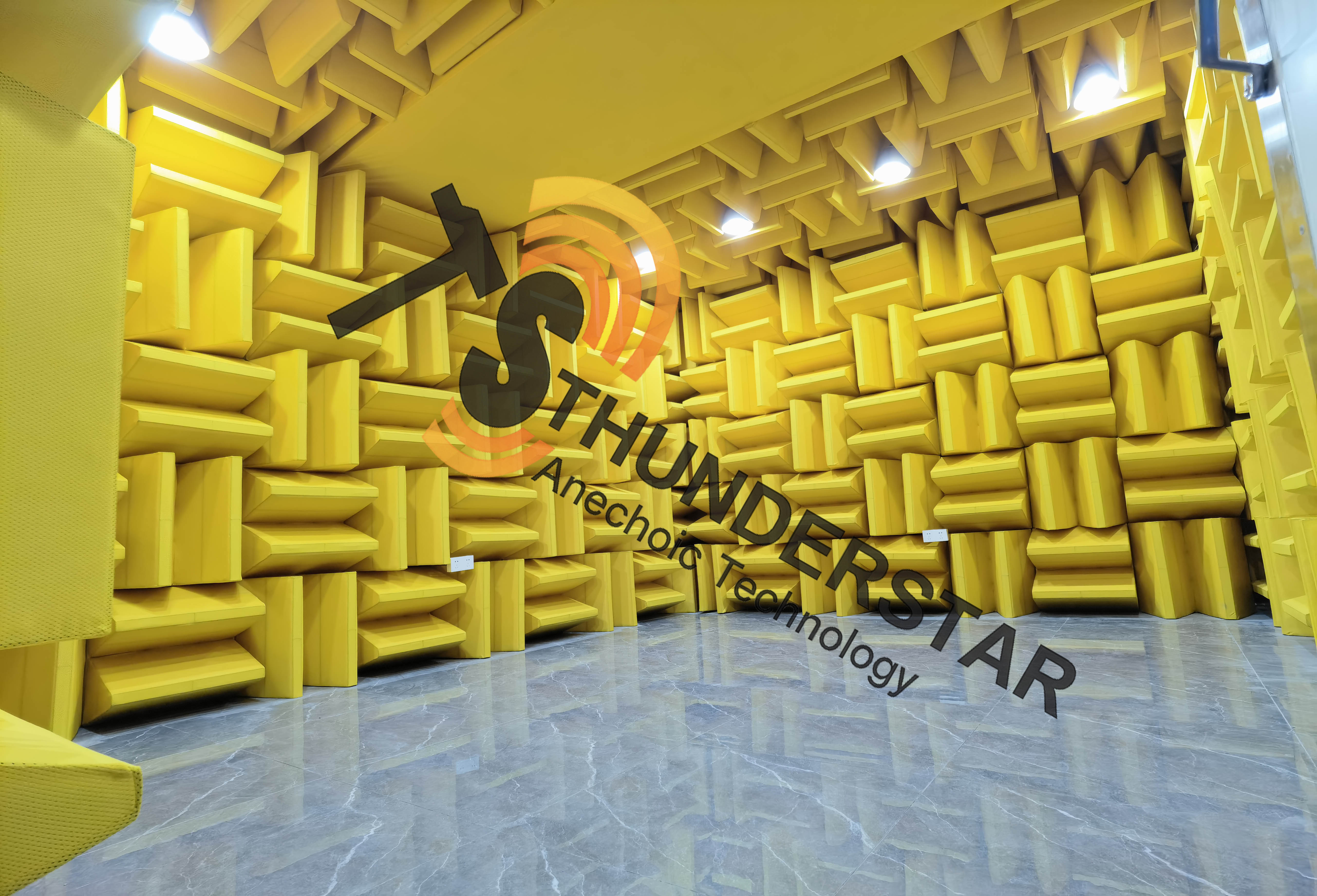
The airborne sound insulation test chamber is a dedicated laboratory facility for building acoustics. It consists of a source room and a receiving room separated by a standard test opening. The whole structure adopts independent vibration—isolation treatment to minimise flanking sound transmission and deliver test conditions complying with ISO 10140—2 and relevant local specificationsISO. During measurement, sound sources generate diffuse sound field inside the source room. Sound waves travel through the test specimen mounted in the opening and propagate into the receiving room. Engineers collect sound—pressure data on both sides to calculate sound—reduction index and weighted sound—reduction index. Test results can support product R&D, internal quality control and third—party accredited testing work.
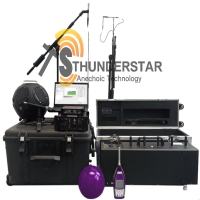
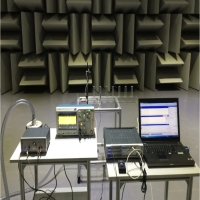
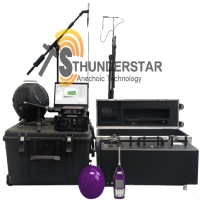
Customisation is available to match varied test objects. Small—size openings suit ventilation components and compact specimens, while larger openings accommodate full—size windows, doors, curtain—wall panels and prefabricated building elements. Apart from core chamber structures, supporting hardware includes sound source assemblies, microphone measurement positions and signal acquisition chains. The chamber can integrate with multi—channel acoustic analysis systems to record full—frequency acoustic data and lower uncertainties caused by manual operations.
This laboratory facility serves multiple industry sectors. Building—material manufacturers carry out repeated performance comparison during new—product development, evaluating how material formula, sealing detail and profile design influence sound—insulation behaviour, so performance improvement can be realised before mass production. Third—party testing laboratories expand service scope for building—element acoustic assessment. Design institutes and construction teams verify component performance in advance to reduce acceptance risks. Universities and research institutes utilise such chambers for academic research on innovative acoustic materials and building structures.
We deliver full—cycle services including site survey, acoustic scheme planning, structural drawing development, on—site construction, commissioning and performance acceptance. Solutions are tailored according to specimen types, daily testing volume and applicable standards for local clients in Singapore and surrounding regions. Reliable test data replace subjective judgement, supporting local R&D and compliance—oriented acoustic testing workflows.
Leave your reply
Your email address will not be published. Required fields are marked *