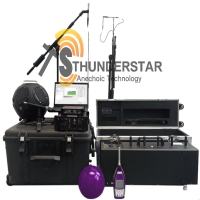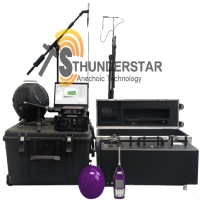






Noise and Vibration Analysis System: Capture Acoustic and Vibration Signals to Support Product R&D and Testing Evaluation
Throughout the full cycle of industrial product development, prototype testing and mass production quality inspection, noise and vibration carry abundant information about equipment operating conditions. Hidden abnormal noise, structural resonance and component wear are difficult to identify merely by manual listening and simple observation. Minor vibration fluctuations and accumulated broadband noise may gradually affect product experience and bring challenges to project testing and evaluation. Noise and vibration analysis systems collect, record and interpret acoustic and vibration data, helping R&D and testing professionals understand equipment conditions from signal readings.
In automotive component development, engineers use this system to acquire noise and vibration data from gearboxes, water pumps and seat motors under operation. They compare acoustic and vibration performance under different structural designs to refine component structures and reduce the chance of abnormal noise. For home appliance testing, continuous long-term monitoring is performed on compressors and fans to capture vibration changes during working condition switches, offering data reference for noise reduction adjustments. When testing rail transit equipment, the system gathers vibration signals from car bodies and bogies to assist assessment of acoustic and vibration performance during operation. It is also applied in maintenance inspections of industrial equipment such as fans and pumps, as well as sample verification for consumer electronics and precision motors, providing valid data references for test evaluation.
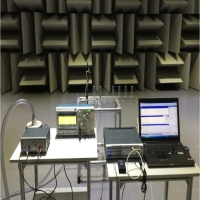
The system allows flexible configuration of acquisition modules, sensors and analysis software according to on-site test requirements. It fits fixed laboratory test stations and supports field measurement under outdoor working conditions. Testers can complete data collection, spectrum analysis, order tracking and other analysis tasks in line with relevant industry standards. Abstract vibration and noise information can be converted into visual analysis results, enabling teams to trace possible sources of issues and iterate product designs. For enterprises building in-house test platforms or third-party acoustic laboratories upgrading testing capabilities, tailored noise and vibration analysis solutions can be designed to match project requirements and support the acoustic and vibration performance assessment of products.
Leave your reply
Your email address will not be published. Required fields are marked *