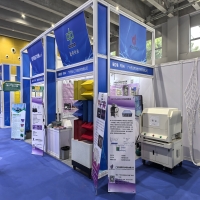






2025 Guangzhou International Exhibition on Building Acoustics and Noise Control

Guangzhou Dancce Acoustics Technology Research Co., Ltd. Guangzhou Danpin Artificial Environment Technology Co., Ltd. Booth No.: 14.1-F30a | Welcome to Visit! Company Profile Guangzhou Dancce Acoustics Technology Research Co., Ltd., founded in 2003, is established by a team of senior acoustic experts and engineers from home and abroad. It focuses on the R&D of noise and vibration instruments and supporting services for acoustic laboratories, providing full-chain professional services from precise configuration of testing instruments, system integration and commissioning to post-operation and maintenance guidance, and offering hardware and technical support for customers to build stable and accurate acoustic testing environments. Guangzhou Danpin Artificial Environment Technology Co., Ltd., founded in 2006, has its headquarters in Yuexiu District, Guangzhou, and its factory in Nansha District, Guangzhou. Its core business focuses on the design and construction of acoustic laboratories and acoustic testing services, capable of customizing solutions for various acoustic spaces such as full/anechoic chambers, reverberation chambers, and sound insulation chambers. The acoustic laboratories designed and constructed fully comply with relevant international and domestic industry standards including CNAS, ISO3745, and GB6882. With customers covering renowned research institutions, universities and colleges, national defense, quality certification and supervision, industrial production and other fields at home and abroad, it is recognized as an industry benchmark in the acoustic laboratory industry and has won widespread praise from users. As professional service providers in the acoustic field, Guangzhou Dancce and Guangzhou Danpin have formed in-depth synergy, building a complementary advantage of "equipment + space + services" in the fields of acoustic testing equipment R&D and laboratory construction, and providing integrated acoustic services from technical scheme planning to implementation for scientific research institutions and manufacturing enterprises. Product Introduction I. Acoustic Laboratories: Customized Acoustic Testing Spaces
01 Wedge-Structured Anechoic Chamber
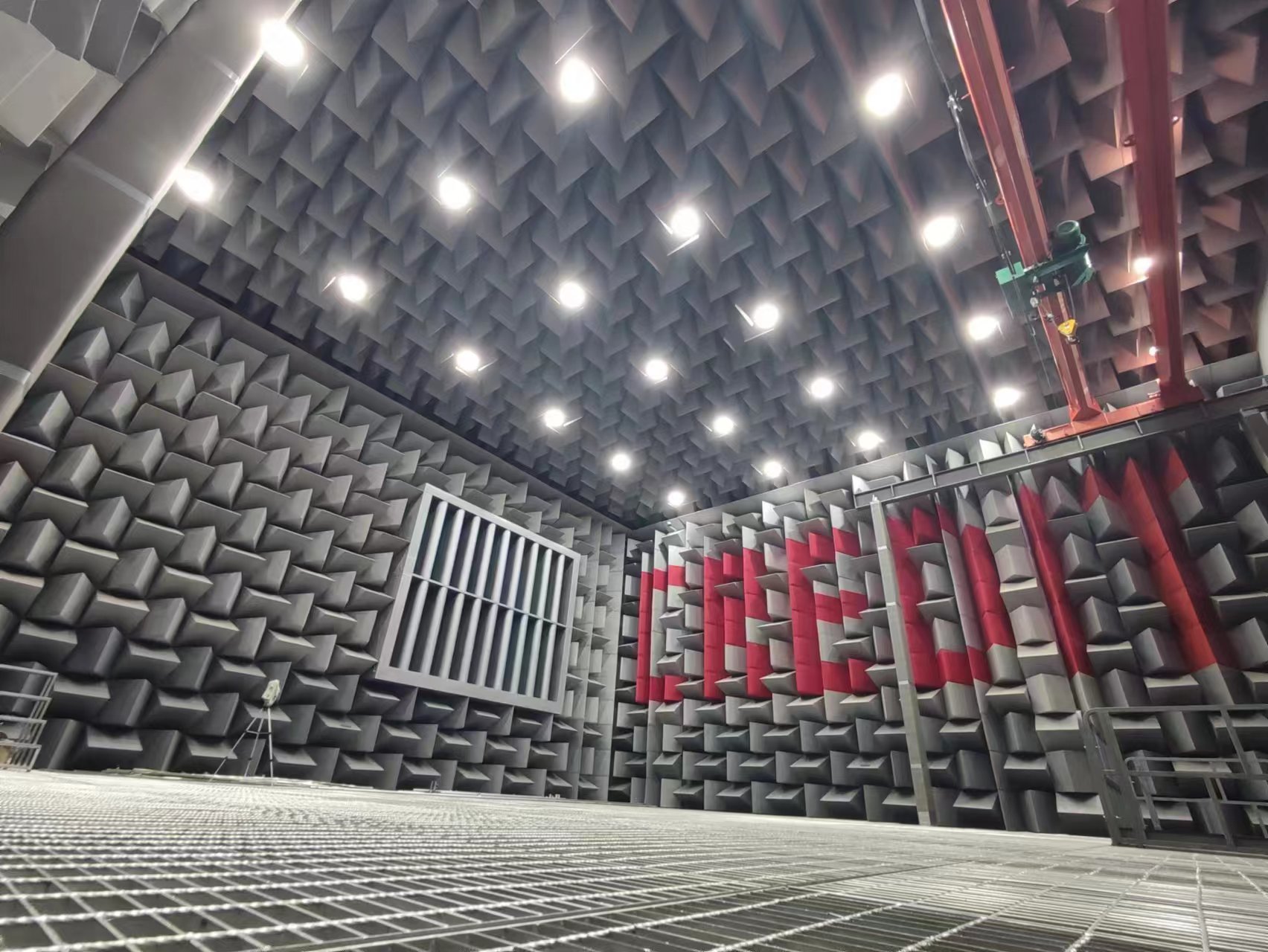
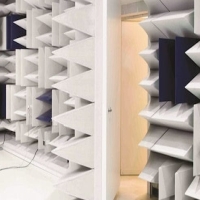
The wedge-structured anechoic chamber is an extremely important experimental site for noise testing. Its function is to provide a low-noise testing environment with a free field or semi-free field space, offering an interference-free testing space for acoustic testing of products.
02 Flat-Structured Anechoic Chamber
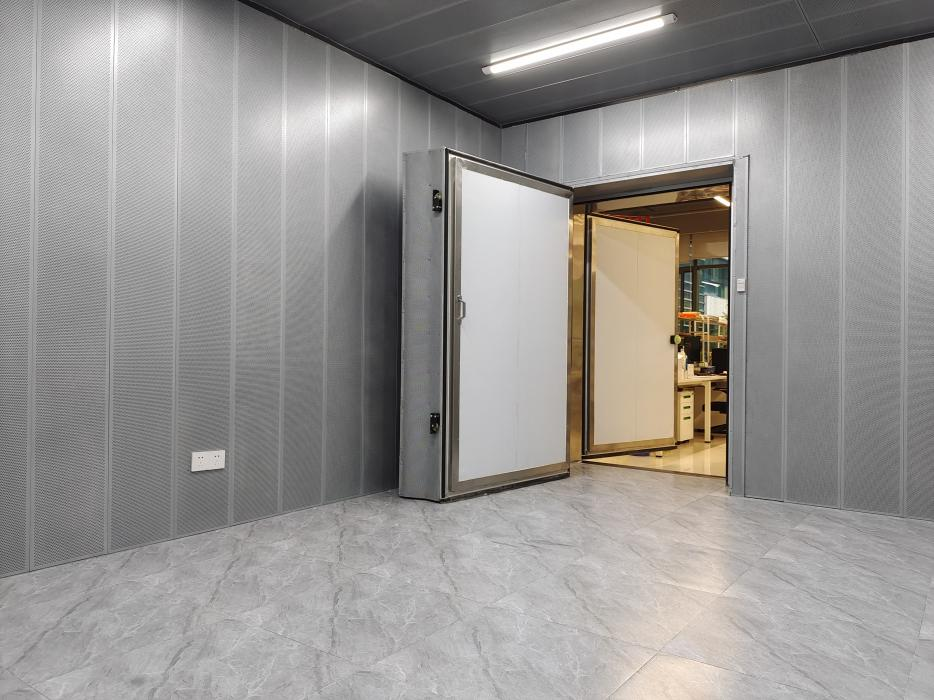
The flat-structured anechoic chamber is a process upgrade based on the traditional wedge anechoic chamber. It adopts modular assembly instead of traditional wedges, effectively improving space utilization, achieving more precise acoustic effects, and facilitating cleaning. Its function is to provide a low-noise testing environment with a free field or semi-free field space.
03 Airborne Sound Insulation Chamber
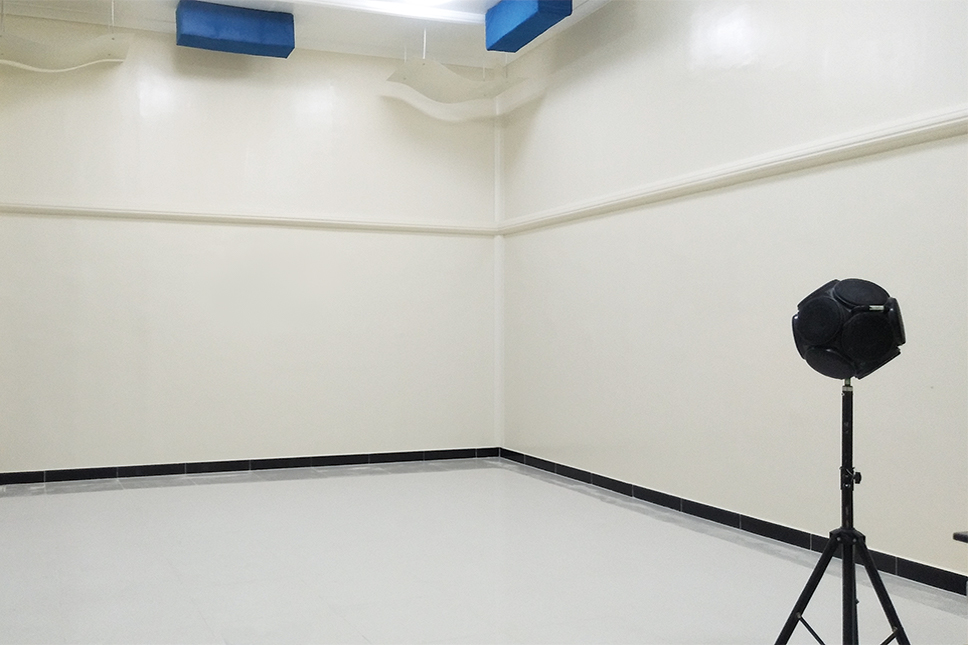
The airborne sound insulation chamber consists of a sound source room and a receiving room, mainly used for testing the sound insulation of various building materials such as doors, windows, and various wall panels. It requires sufficient lateral sound insulation, ensuring that the lateral sound insulation of the airborne sound insulation chamber is 6~15dB(A) higher than the actual sound insulation of the tested product to accurately measure the sound insulation of the tested product. 04 Impact Sound Insulation Chamber
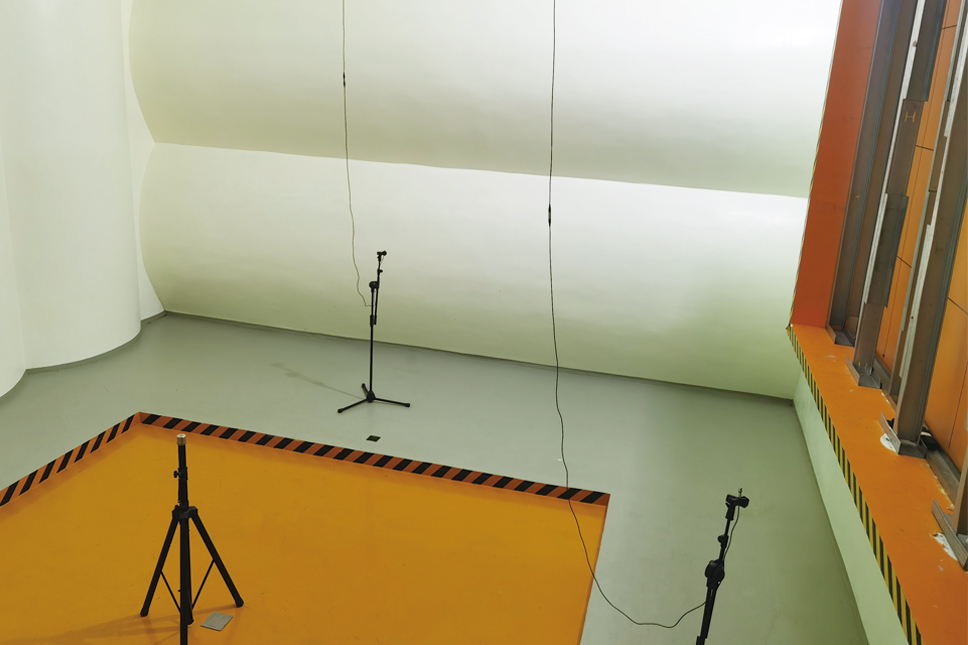
The impact sound insulation chamber includes a sound source room and a receiving room, mainly used for testing the impact sound insulation performance (i.e., impact sound insulation value) of building components such as floor slabs and floors. Due to the characteristic of impact sound propagating through solid structures, the interference of lateral sound transmission is more difficult to control. Therefore, it is necessary to ensure that the lateral sound insulation of the impact sound insulation chamber is 6~15dB(A) higher than the actual impact sound insulation of the tested component, so as to effectively eliminate the impact of lateral sound transmission on the measurement results and ensure the accuracy of the impact sound insulation measurement of the tested component. 05 Reverberation Chamber
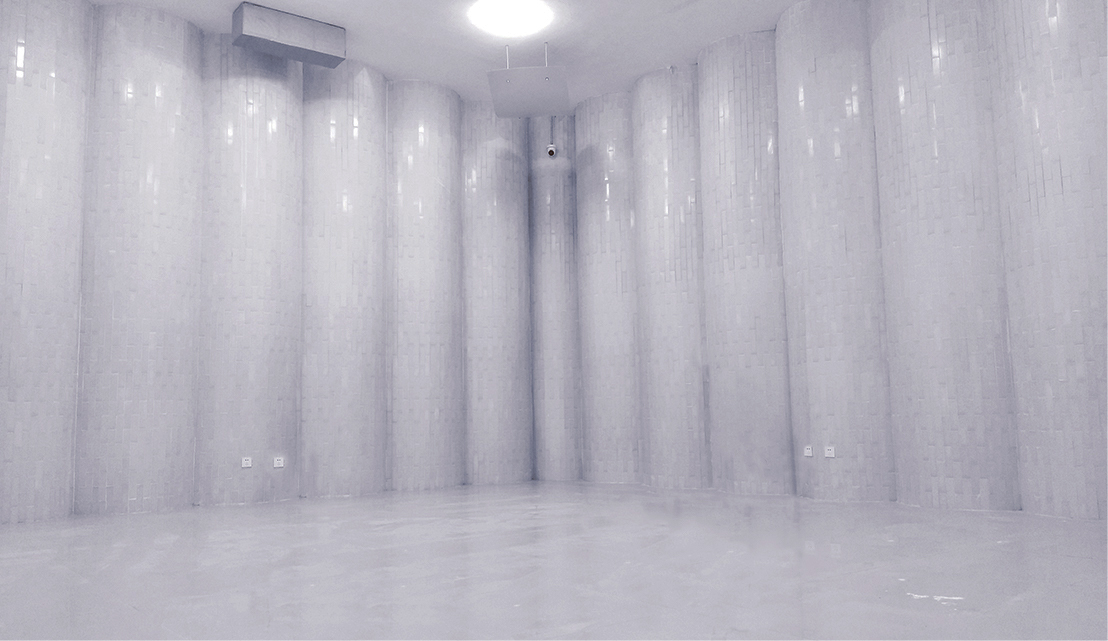
A reverberation chamber is a laboratory that can fully reflect sound energy on all boundaries and allow it to diffuse sufficiently, forming a diffuse field with uniform energy density everywhere and random distribution in all propagation directions. Its function is to provide a low-noise testing environment with a diffuse sound field space. The main functions of the reverberation chamber are: determining the sound absorption coefficient of materials, sound absorption in air, and the sound power of sound sources, machines, equipment, etc. II. Acoustic Materials: Efficient Sound Absorption and Insulation Solutions 01 Sound Absorbing Wedges
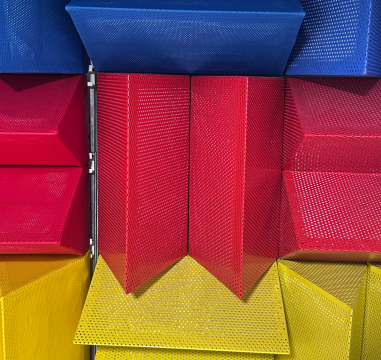
Sound absorbing wedges are acoustic components with high-efficiency sound absorption performance, widely used in semi-anechoic chambers and full anechoic chambers. Including fabric wedges and metal wedges, the wedges developed by Guangzhou Danpin using acoustic metamaterial structures have an extremely high sound absorption coefficient, which can efficiently absorb sound waves, greatly reduce sound wave reflection, and create an acoustic environment for accurate acoustic measurement. 02 Sound Absorbing Panels
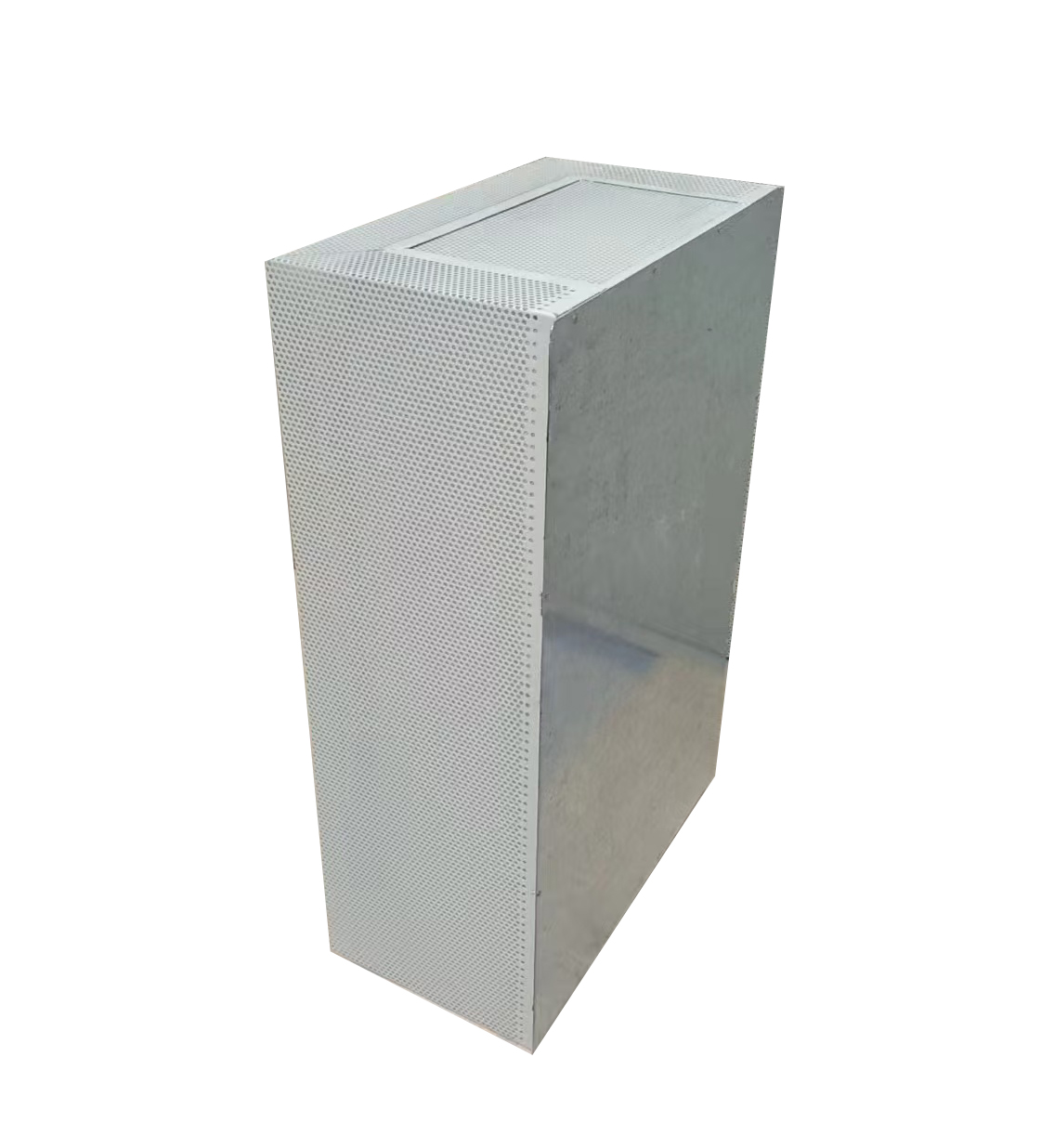
The sound absorbing panel structure is an acoustic component with high-efficiency sound absorption performance, widely used in semi-anechoic chambers and full anechoic chambers. The flat sound absorbing structure developed by Guangzhou Danpin using acoustic metamaterial structures has an extremely high sound absorption coefficient, which can efficiently absorb sound waves, greatly reduce sound wave reflection, and create an acoustic environment for accurate acoustic measurement. Different from wedges, it has a flat surface and occupies less space. 03 Sound Absorbing Cotton
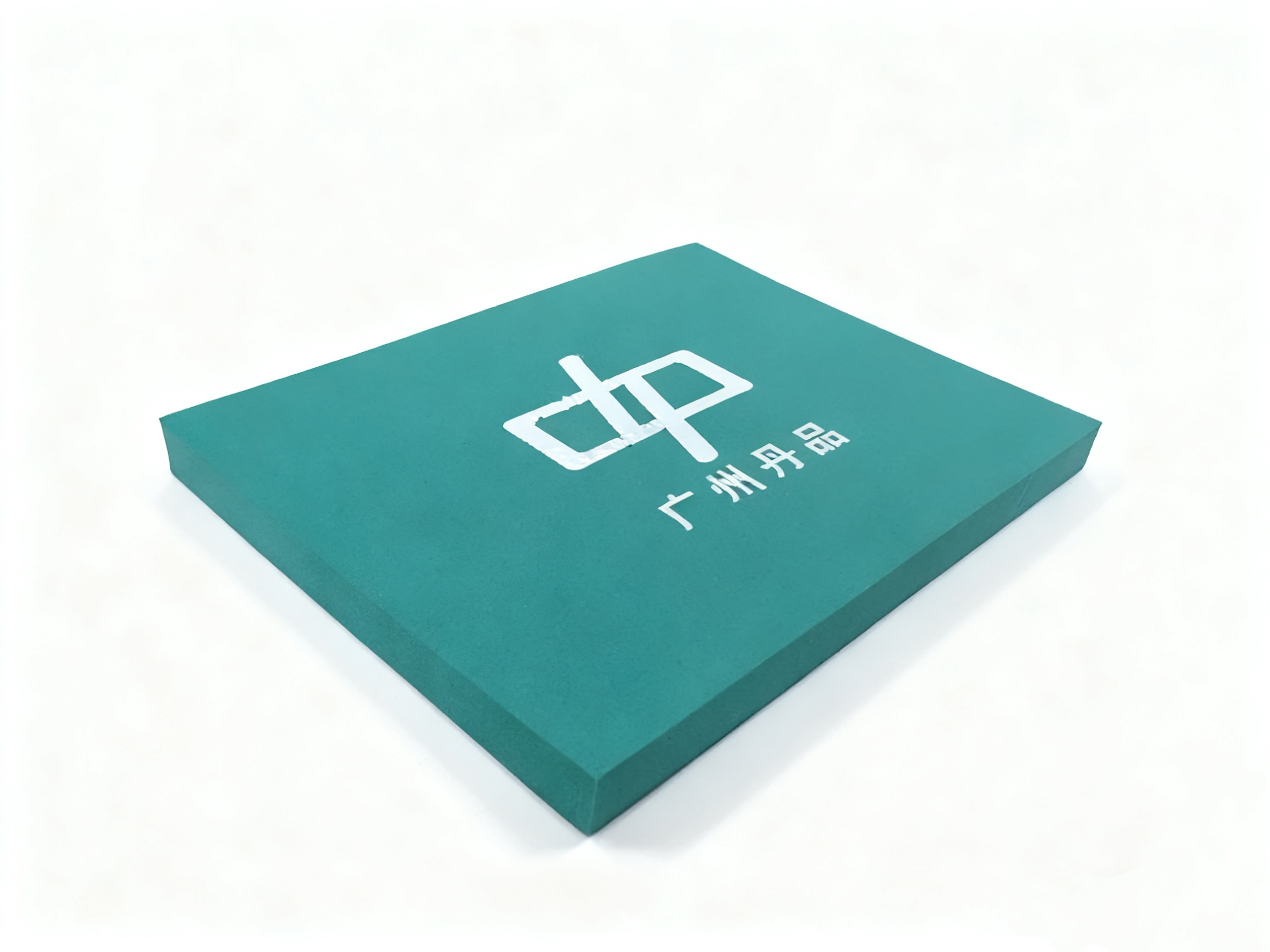 The sound absorbing cotton of Guangzhou Danpin is a professional sound absorbing material in the acoustic field, featuring diversity and excellent acoustic performance. Different sound absorbing materials can be selected according to the different needs of customers.
04 Sound Insulation Materials
The sound absorbing cotton of Guangzhou Danpin is a professional sound absorbing material in the acoustic field, featuring diversity and excellent acoustic performance. Different sound absorbing materials can be selected according to the different needs of customers.
04 Sound Insulation Materials
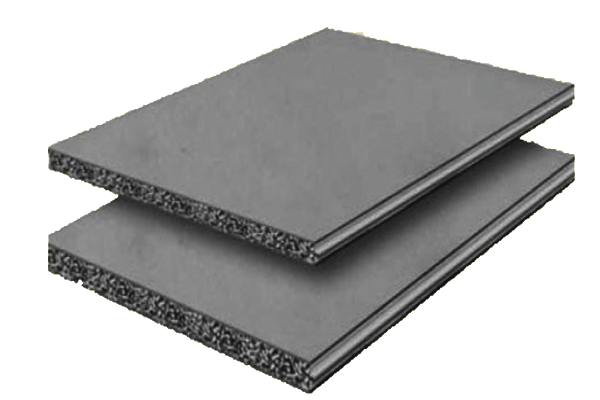
The sound insulation materials of Guangzhou Danpin have excellent sound insulation performance, are detachable and lightweight, and have great advantages for acoustic laboratories built on floors. III. Acoustic Instruments & Equipment: Accurate Data Support and Testing Tools 01 NI-DC PULSE Multi-Channel Noise and Vibration Analysis System
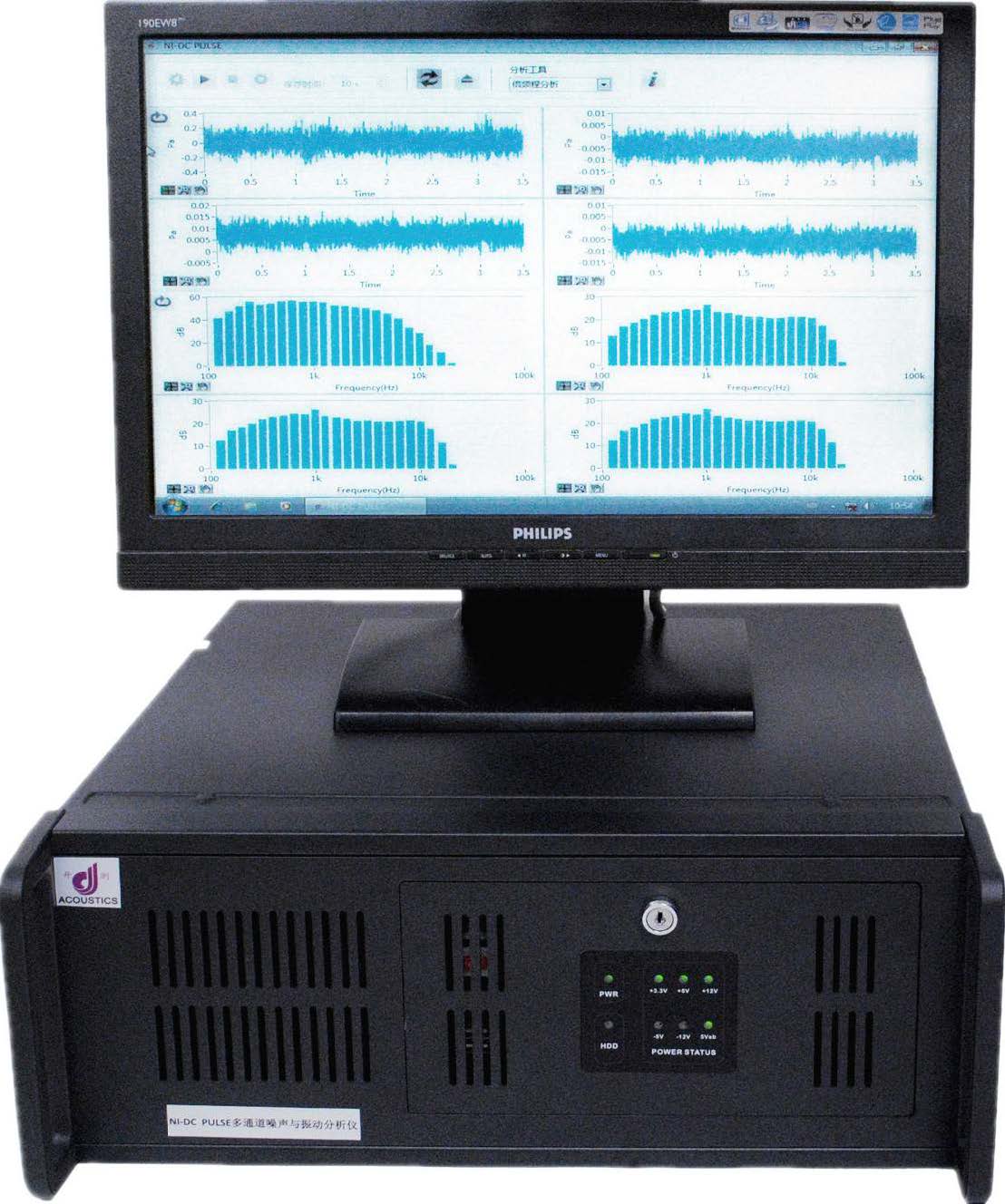
The NI-DC PULSE multi-channel noise and vibration analysis system is specially designed for the collection, processing and analysis of noise and vibration signals. It is widely used in enterprise quality control and scientific research testing, providing accurate data support and decision-making basis for technical personnel. The software has comprehensive and easy-to-use functions, offering real-time synchronized multi-channel analysis capabilities, including sound pressure level analysis, spectrum analysis, octave analysis, sound power analysis, etc. 02 DC-MSOAA Building Acoustics Measurement System
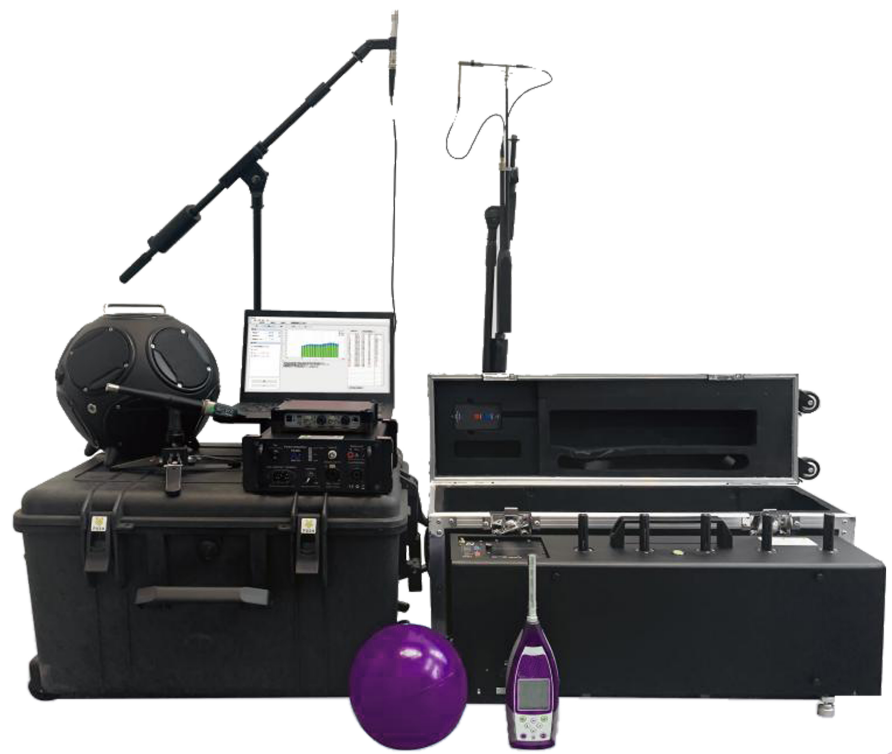
The DC-MSOAA building acoustics measurement system is a measurement system specially designed for the evaluation of building acoustic performance. Through high-performance sound absorption and vibration measurement technology, the system can effectively capture and analyze sound wave and vibration data under various environmental conditions, ensuring high precision and reliability of test results. The system is suitable for the sound insulation performance testing of building materials, doors and windows, and the sound absorption performance testing of related materials, helping enterprises inspect and improve the acoustic performance of products. 03 DC-TS-NVH Abnormal Noise Detection System
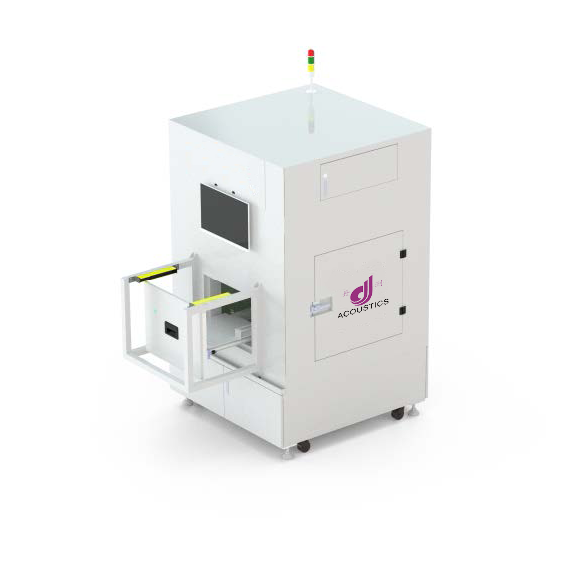
The DC-TS-NVH abnormal noise detection system is a professional testing equipment specially built for the fields of electromechanical equipment, auto parts, consumer electronics and household appliances. Integrating a compact anechoic box and high-precision measuring instruments, it can adapt to the complex environment of production lines, accurately evaluate the impact of noise and vibration on product operation comfort and reliability, and help enterprises improve product performance, reduce failure rates and optimize user experience.
At the grand event in Guangzhou in 2025, we look forward to face-to-face communication with you, discussing the innovative application of acoustic technology in the modernization of the construction industry and envisioning the future of high-quality development in the industry!
Exhibition Hall Route
From Baiyun International Airport to Area C of China Import and Export Fair Complex
- Taxi: Approximately 46.3 kilometers, about 45 minutes.
- Subway: Take Line 3 North Extension from Guangzhou Baiyun International Airport Station, ride 13 stops to Tiyuxi Road Station, transfer to Line 3 (same line) and ride 3 stops to Kecun Station, then transfer to Line 8 and ride 4 stops to Pazhou Station. Follow the signs to Exit C, and the exhibition hall is near Exit C.
From Guangzhou Railway Station to Area C of China Import and Export Fair Complex
- Taxi: Approximately 19.1 kilometers, about 26 minutes.
- Subway: Take Line 2 from Guangzhou Railway Station, ride 8 stops to Changgang Station, transfer to Line 8 and ride 8 stops to Pazhou Station. Follow the signs to Exit C, and the exhibition hall is near Exit C.
From Guangzhou East Railway Station to Area C of China Import and Export Fair Complex
- Taxi: Approximately 11.3 kilometers, about 25 minutes.
- Subway: Take Line 1 or Line 3 North Extension from Guangzhou East Railway Station, ride 2 stops to Tiyuxi Road Station, transfer to Line 3 and ride 3 stops to Kecun Station, then transfer to Line 8 and ride 4 stops to Pazhou Station. Follow the signs to Exit C, and the exhibition hall is near Exit C.
From Guangzhou South Railway Station to Area C of China Import and Export Fair Complex
- Taxi: Approximately 27 kilometers, about 35 minutes.
- Subway: Take Line 2 from Guangzhou South Railway Station, ride 8 stops to Changgang Station, transfer to Line 8 and ride 8 stops to Pazhou Station. Follow the signs to Exit C, and the exhibition hall is near Exit C.
Leave your reply
Your email address will not be published. Required fields are marked *